Automated Blog Post Writing Solutions: Discover the Best Automated SEO Blog Packages for Entrepreneurs
How many blog posts did you plan to publish this month, and how many actually went live? If your answer is "not enough," Automated Blog Post Writing Solutions can close that gap fast while still helping you rank for real search terms.
Entrepreneurs don't lose to competitors because they have worse products. They lose because they stop showing up on Google consistently. A strong automated SEO blog package fixes that with a repeatable system: keyword targeting, on-page SEO, and steady publishing, all without you living inside a content calendar.
This guide compares what "good" looks like versus "cheap and risky," so you can pick an automated package that supports growth, not just word count.
Why Entrepreneurs Choose Automated SEO Blog Packages
Running a business means your time is always spoken for. You're juggling sales calls, customer support, product changes, and a thousand small decisions. Blogging often becomes the task that gets pushed to "later," even though it's one of the best ways to build steady traffic.
Automated SEO blog packages are attractive because they turn content into a routine instead of a stressful project. The best packages don't just produce articles, they produce a publishing habit. That habit is what compounds over time.
Search engines reward consistency. Google's own guidance focuses heavily on helpful content created for people, not tricks or shortcuts, and that standard applies whether you write posts manually or through a service or tool Google Search Central.
Here's what entrepreneurs usually want from Automated Blog Post Writing Solutions:
- Predictable posting frequency (so content keeps shipping)
- Topics that match how customers search (not random "thought leadership")
- Clean on-page SEO (titles, headings, internal links, readability)
- A workflow that doesn't create more work for you
- Reporting that shows what's actually improving
The contrast is simple. A weak package "outputs content." A strong package helps you earn clicks, leads, and trust.
Automated Blog Post Writing Solutions: What "Best" Really Means in 2026
A lot of packages claim they're the best. The honest truth is that "best" depends on whether the system matches your business model. A local service company needs different topics than an online store. A consultant needs different calls-to-action than a software company.

Still, the best Automated Blog Post Writing Solutions tend to share a few non-negotiables. They start with keyword intent (the reason a person searched). They use a clear structure that's easy to skim. They also avoid spam signals like repeated phrases, thin content, and fake expertise.
A helpful way to compare packages is to look at what they optimize for:
- Speed-first packages: High volume, low strategy, often generic
- SEO-first packages: Keyword mapping, internal linking, and better on-page structure
- Brand-first packages: Strong voice and storytelling, sometimes weaker SEO targeting
- Hybrid packages: Enough SEO structure to rank, with enough personality to convert
If you're an entrepreneur, hybrid usually wins. You need traffic, but you also need that traffic to turn into sales.
A quick "sanity check" is to ask where the expertise comes from. Google's Search Quality Rater Guidelines talk about E-E-A-T (Experience, Expertise, Authoritativeness, Trust), which is especially important for content that influences decisions Google Search Quality Rater Guidelines. A strong package should support that with clear explanations, practical steps, and content that sounds like it was written by someone who's done the work.
If you want to compare costs across common options, this breakdown can help: Automated SEO blog post pricing plans.
Comparing Automated Blog Packages: DIY Tools vs Done-For-You Services
Entrepreneurs usually fall into two camps. Some want tools that help them publish faster, while others want a done-for-you system that runs in the background. Both can work, but they come with different tradeoffs.
DIY tools are cheaper up front. You still need time for prompts, editing, formatting, uploading, and internal links. Done-for-you services cost more, but they give you time back and create consistency.
Here's a comparison that makes the decision clearer:
- DIY tool subscription: Lower cost, more control, more time required
- Freelancer content: Variable quality, slower turnaround, management overhead
- Agency content: Higher cost, better strategy, can be complex to coordinate
- Automated SEO blog package: Predictable output, standardized SEO, usually fastest
Most founders don't fail because they picked the "wrong" option. They fail because the option they picked didn't match their schedule. If you can't keep up with weekly publishing, the best strategy in the world won't show results.
A practical middle-ground is an automated package paired with light review. You get the speed of automation, plus the human touch needed for accuracy, brand fit, and conversion.
For example, you might review each post for:
- One brand story or customer example
- Correct service area, product names, or pricing details
- A clear next step (book a call, start a trial, request a quote)
- One internal link to a relevant service or guide
That review takes minutes, not hours, and it usually boosts performance.
What to Look for in a Package: a Simple Buyer's Checklist
If you're comparing vendors, don't get distracted by how "smart" the automation sounds. Instead, focus on the outputs and the controls. You want a package that creates content your audience actually wants, and you want enough visibility to trust what's being published.
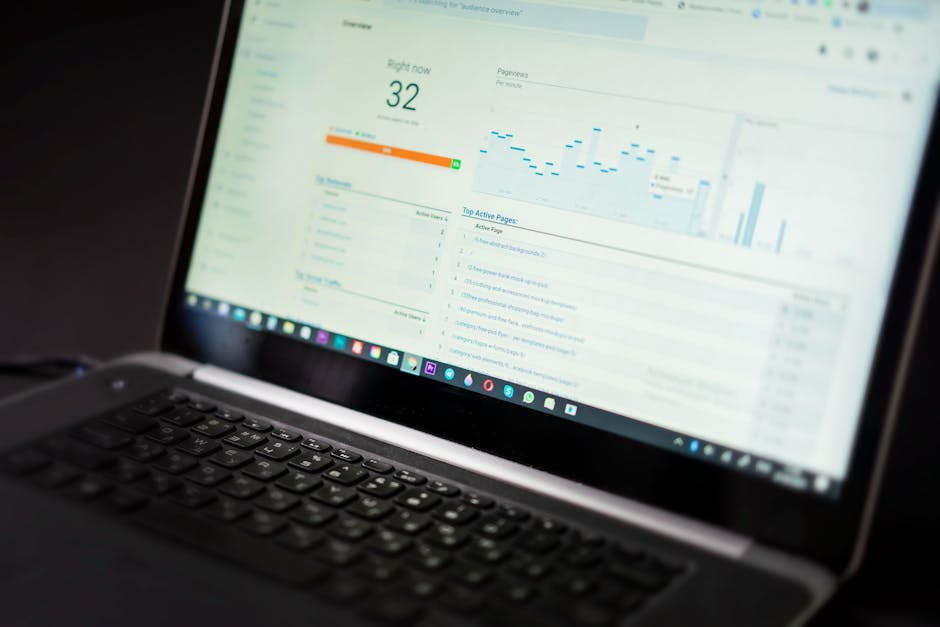
A strong automated SEO blog package should include real SEO fundamentals. That means keyword alignment, headings that make sense, and a structure that helps Google understand the page. It also means avoiding duplicate content and writing that feels thin.
Use this checklist to compare options:
- Keyword research support (or keyword mapping by service and intent)
- Topic clustering (related posts that build authority over time)
- On-page SEO basics (title, meta description, H2s, internal links)
- A consistent publishing schedule you can sustain
- A dashboard or reporting that shows rankings and clicks
- Clear ownership of content (you should own what you pay for)
- Revision process for factual fixes and brand voice
You can also ask one "tell me the truth" question: "What happens if a post doesn't perform?" The best providers will talk about iteration, updates, and learning from the data, not just pushing the next post.
For pricing comparisons geared specifically to founders, this guide is useful: automated blog post pricing options for entrepreneurs.
A Real-World Example: How SEO Sniper Packages Fit Entrepreneurs
Some automated services are basically content mills with a dashboard. Others are built for entrepreneurs who want "set and forget" publishing, plus clear visibility into results. SEO Sniper is positioned for the second group.
Here's how SEO Sniper's packages line up with common founder needs:
- Basic ($69): 1 website (URL), up to 1 automated SEO post per day
- Standard ($149): 3 websites (URLs), 3 automated SEO posts per day
- Pro: 10 websites (URLs), 10 automated SEO posts per day
The core benefit here is pacing. Daily posting is hard to maintain manually, especially if you're also managing a business. With Automated Blog Post Writing Solutions, the goal is to keep your site fresh and expanding across more keywords.
Another key benefit is having a robust SEO dashboard that shows where you rank and what you perform best on. That matters because volume without feedback is just noise. A dashboard helps you spot patterns like:
- Which topics bring impressions but not clicks (title and meta tweaks help)
- Which pages rank on page two (internal links and refreshes can push them)
- Which services have no content support yet (easy expansion opportunities)
For 2026, "content freshness" and ongoing updates are a bigger part of many SEO strategies. More businesses are treating blog posts like living assets, not one-time publications. Industry research continues to show that updating and expanding existing content can improve performance over time Ahrefs Blog.
How to Get Results Faster with Automation (Without Cutting Corners)
Automation can speed up publishing, but results still come from matching intent and earning trust. If your content feels generic, it won't convert, and it may not rank well either.

A simple workflow keeps you on the safe side. You don't need to micromanage every paragraph. You just need a process that catches the big mistakes and strengthens credibility.
Here's a founder-friendly routine that works even if you have 20 minutes a week:
- Pick 3 to 5 priority topics tied to revenue (your best services or products)
- Approve a keyword list that matches those topics
- Publish consistently for 60 to 90 days
- Review the dashboard monthly for winners and near-winners
- Refresh posts that are close to page one (add examples, FAQs, and internal links)
After you publish for a few months, you'll usually see patterns. Some topics attract the right visitors, while others bring traffic that never buys. Automation helps because you can keep testing without burning out.
If you want more budget-friendly options and what you get at each tier, this is a helpful comparison: affordable automated blog writing for every budget.
Frequently Asked Questions
Are Automated Blog Post Writing Solutions Safe for SEO
They can be safe if the content is helpful, accurate, and written for humans first. The risk isn't "automation," it's low-quality output that's thin, repetitive, or misleading. Choose a package that supports editing, uses clear structure, and encourages real examples. It also helps if you can add internal links and calls-to-action that match your business.
How Many Posts Per Week Should an Entrepreneur Publish?
A sustainable schedule beats an aggressive one you can't keep. Many entrepreneurs see progress with 2 to 5 quality posts per week, especially if the topics are tightly connected to services and buyer intent. If a package lets you publish daily, you can still throttle the pace by prioritizing your best topics first, then expanding into supporting content.
What Should I Measure to Know If the Package Is Working?
Track impressions, clicks, and keyword positions, but don't stop there. Also track leads, demo requests, calls, and sales tied to organic traffic. A good dashboard helps you see which posts are rising and which ones stall. Over time, you want more page one rankings and more content that brings the right type of visitor.
Do I Still Need Keyword Research If Posts Are Automated?
Yes, because keyword research is how you avoid writing content nobody searches for. Even simple keyword mapping by service, location (if relevant), and customer questions can make your output far more profitable. If your provider includes keyword planning, ask how they choose terms and how they avoid cannibalization (two pages fighting for the same keyword).
How Long Does It Take to See Results From Automated SEO Blogging?
Many sites see early movement in 4 to 12 weeks, but meaningful results often take 3 to 6 months, depending on competition and your site's current authority. The advantage of automation is that you build momentum fast. More quality pages mean more chances to rank, earn links, and capture long-tail searches.
The Bottom Line: Pick the Package That Matches Your Time and Goals
The best automated SEO blog packages for entrepreneurs don't just generate posts, they generate consistency and learn from performance. Automated Blog Post Writing Solutions work best when they're paired with a clear niche, a simple review process, and a dashboard that shows what's improving.
If you want the quickest path to traction, choose a package that maps content to revenue, not vanity metrics. Start with your highest-value services, publish steadily for 90 days, and use the data to double down on what works.
Want a predictable way to publish without hiring a full team? Explore an automated package that fits your sites and posting goals, then let the compounding effect do its job.